#Its_our_environment

E-Mail

info@recyclesolution.net

Phone

+966561754723

Destruction Services Offered by Recycle Solutions

Introduction
In today’s world, where protecting information and resources is increasingly vital, secure destruction services have become essential for the responsible disposal of unwanted materials. At Recycle Solutions, we offer specialized secure destruction services using innovative and effective methods that ensure complete security and environmental sustainability.


What Are Secure Destruction Services?
Secure destruction services provide a safe and reliable process for disposing of sensitive and unnecessary materials. These services ensure that:

 Data Are Protected: Whether it’s paper documents, hard drives, or other items containing sensitive information, our methods guarantee that all data is securely eliminated.

 The Environment Is Protected: We employ sustainable practices that minimize environmental impact and integrate recycling into the disposal process.

Our Secure Destruction Services

 Paper Document Destruction:
Many companies, banks, hospitals, and institutions require the secure disposal of sensitive paper documents such as customer records, confidential reports, or outdated contracts. We offer professional paper shredding services using advanced cutting machines, ensuring that shredded paper is repurposed as recyclable material.

 Hard Drive and Electronic Device Destruction:
Hard drives and electronic devices often store sensitive digital information. Our process dismantles and destroys these items in a way that prevents any possibility of data recovery, and we recycle their component materials.

 Disposal of Plastics and Industrial Materials:
We securely dispose of plastics and industrial materials through sustainable methods. These materials are shredded and converted into raw resources that can be reused in manufacturing processes.


 Destruction of Logos and Trademarks:

o Secure destruction of rejected or counterfeit products.

o Disposal of promotional items (such as stickers, brochures, and promotional gifts) to prevent unauthorized use.

o Safe disposal of corporate apparel and uniforms featuring company logos.

o Destruction of packaging materials like bags and boxes.


Why Choose Recycle Solutions?

1. Safety Is Our Priority:
We maintain the highest levels of security throughout the destruction process and provide detailed reports to ensure transparency.

2. Commitment to Sustainability:
All materials resulting from our destruction process are handled in a way that allows them to be recycled, supporting our goal of reducing waste and protecting the environment.

3. Comprehensive Service:
We offer tailored solutions to meet the unique needs of our clients, whether individuals or companies. This includes both on-site collection and secure destruction at your location.

Our Process

Destruction: We use state-of-the-art technology to completely erase all sensitive information.

Recycling: The waste generated during destruction is transformed into materials suitable for reuse.

Documentation: We provide our clients with a detailed certificate confirming the destruction of their materials.


Our Services Speaks for Our Commitment
At Recycle Solutions, we understand the importance of building trust through high-quality, secure services. We not only handle the responsible disposal of materials but also contribute to environmental protection, making us the ideal partner for anyone seeking responsible and sustainable solutions.

If you require secure destruction services, please contact us. Together, we can balance security with sustainability.
Paper Recycling: The Path Toward a Cleaner Environment

Introduction
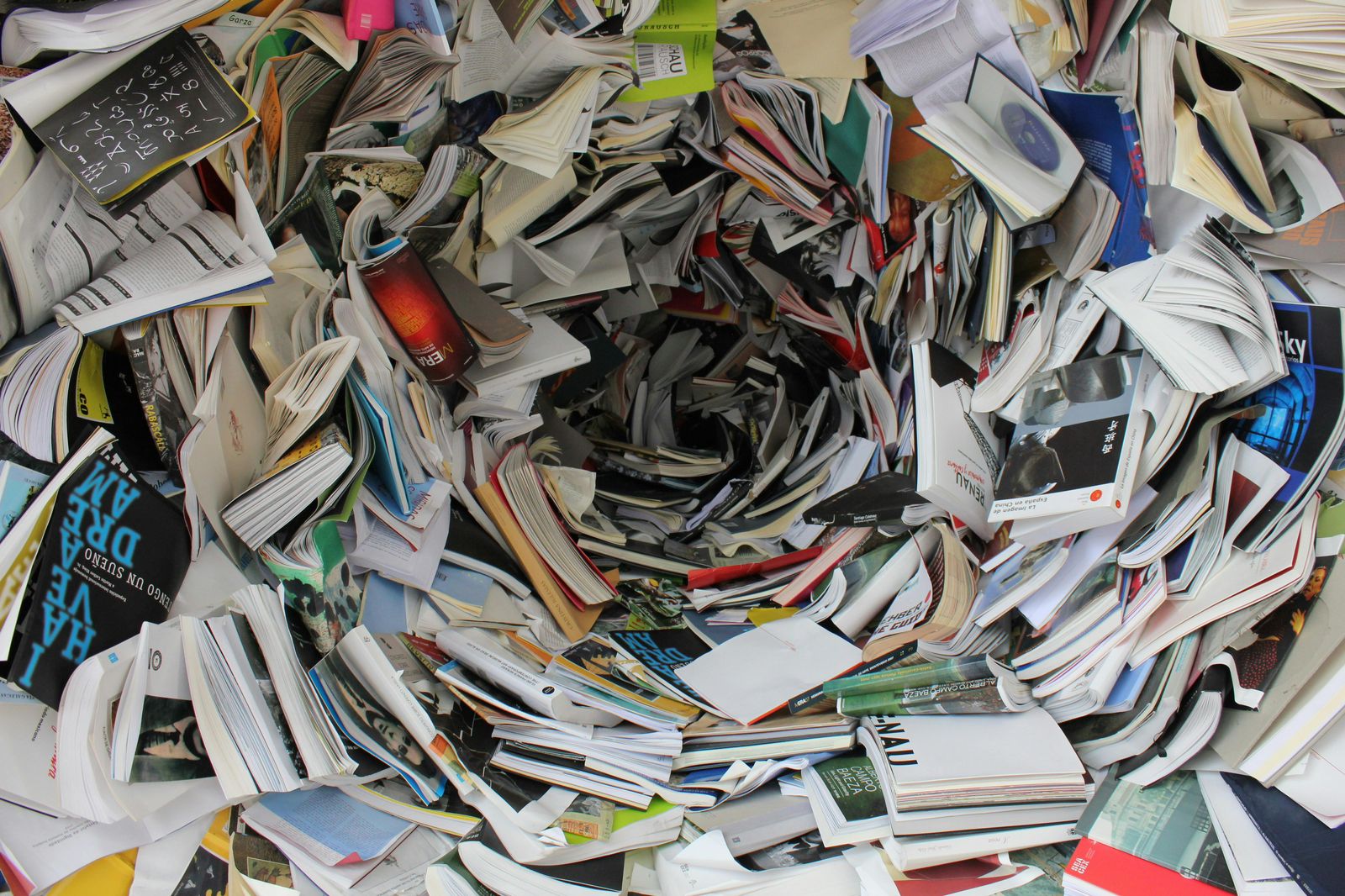
In our modern world, paper waste has become one of the largest environmental pollutants. While paper is one of the most recyclable materials, a significant amount of it ends up in landfills without being effectively utilized. Globally, millions of trees are cut down annually to meet the demand for paper, which poses a significant threat to natural resources. Therefore, paper recycling has become one of the key solutions to reduce this issue and achieve environmental sustainability.
In this article, we will discuss the importance of paper recycling, how to implement it correctly, the environmental and economic benefits of this practice, and the challenges faced in the paper recycling process today.

Why Should Paper Be Recycled?
Recycling paper is the process of converting used paper into new materials rather than discarding it in landfills. Here are several reasons why this process is important:

1. Protecting Forests: One of the primary reasons for recycling paper is to protect forests. The paper industry consumes large amounts of wood, contributing to the destruction of natural forests. Recycling paper helps reduce the need for wood extraction, thus preserving forests and increasing green spaces.

2. Reducing Pollution: The traditional paper production process results in significant carbon emissions and water pollution due to the chemicals used in paper manufacturing. By recycling paper, these emissions are greatly reduced.

3. Energy Conservation: Producing paper from wood requires a large amount of energy, whereas recycling paper uses about 40% less energy compared to making paper from raw wood. This means reducing energy consumption and mitigating climate change impacts.

4. Reducing Waste: Paper makes up a large portion of the waste sent to landfills. Recycling paper helps reduce the amount of waste, easing the pressure on landfills.

How to Recycle Paper
Recycling paper is a simple process that involves several steps that can be easily and effectively followed. Here’s how you can do it:

1. Collect Used Paper: The first step is to gather used paper. This can include newspapers, magazines, brochures, cardboard, or even office paper. It is important to ensure that the paper is sorted correctly, removing non-paper materials like plastic or metal.

2. Sort the Paper: After collecting the paper, it should be sorted by type. There may be different kinds of paper (such as cardboard, white paper, and corrugated paper), each requiring slightly different recycling processes. For example, white paper is easier to recycle compared to printed paper or paper with additional materials.

3. Convert Paper into Pulp: In this stage, the paper is shredded and turned into a sticky substance called “paper pulp” by adding water. This material forms the basis of the paper recycling process.

4. Re-manufacture Paper: After converting the paper into pulp, it is used to manufacture new paper products. The pulp is shaped into flat sheets, dried, and then used to make new paper products.

5. Use Recycled Paper: Recycled paper can be used in many products such as boxes, packaging, brochures, and even the paper we write on. It can also be used to make toilet paper, tissues, and writing materials.

Benefits of Paper Recycling
The benefits of paper recycling extend beyond the environment, including economic and social advantages:

1. Conserving Resources: By recycling paper, we no longer need to cut down trees to meet paper needs. Additionally, significant amounts of water and energy are saved, helping to preserve natural resources.

2. Reducing Pollution: Reducing the use of harmful chemicals in paper production means less air and water pollution, which improves environmental quality and human health.

3. Creating Jobs: Paper recycling creates job opportunities in factories that re-manufacture paper, as well as in waste collection and sorting. This contributes to the local economy.

4. Reducing Landfill Pressure: By reducing the amount of paper sent to landfills, recycling helps alleviate the strain on landfills, thus decreasing the space needed for waste disposal.

Challenges Faced by Paper Recycling
Despite its many benefits, paper recycling faces several challenges:

1. Lack of Environmental Awareness: Despite efforts made, many people still lack environmental awareness about the importance of paper recycling. Some may not know how to sort paper correctly or may not understand the environmental benefits of recycling.

2. Contamination by Other Materials: Sometimes, paper may contain non-recyclable materials such as plastic or metal. This complicates the recycling process and increases costs.

3. High Costs: Collecting, sorting, and recycling paper requires investment in equipment and infrastructure, which can be expensive in some countries or regions.

4. Reducing Paper Use: In some cases, there is a trend toward reducing paper use in favor of modern technologies like digital documents. This may reduce the amount of paper available for recycling.

The Future of Paper Recycling
With increasing environmental awareness in recent years, many businesses and consumers are adopting paper recycling practices more effectively. There are also technological advancements that help make the recycling process more efficient. Through these collective efforts, the environmental impact of paper can be significantly reduced, contributing to a cleaner and healthier environment.

Conclusion
Paper recycling is a simple but effective process that helps conserve natural resources and reduce environmental pollution. It offers not only environmental benefits but also significant economic and social advantages. By raising awareness and recycling paper correctly, we can contribute to protecting the environment and ensuring a more sustainable future for generations to come.

Recycling: From Environmental Solutions to Economic Opportunities Introduction

  1. Environmental challenges have been increasing in the modern era due to population growth, industrial development, and excessive consumption of natural resources. The growing volume of waste has made it crucial to find effective solutions for addressing this problem. Among the most prominent sustainable solutions that allow us to manage waste and reduce its environmental impact, recycling stands out as a powerful tool that contributes to environmental preservation, reduces pollution, and minimizes the use of raw materials. The benefits of recycling extend beyond the environmental aspect to include significant economic opportunities, as this sector is one of the fastest-growing areas contributing to job creation and economic growth.

    What is Recycling?
    Recycling is the process of converting used materials or waste into new, usable materials. This process involves collecting and sorting recyclable materials such as plastic, paper, metals, glass, and organic materials like food scraps. The main goal of recycling is to reduce the need to extract raw materials from nature, thus contributing to environmental protection and the conservation of natural resources.

    Recycling and Its Environmental Impact
    Among the most notable environmental benefits of recycling is pollution reduction. Plastic waste, for example, is one of the biggest pollution issues threatening our environment, as it takes hundreds of years to decompose. However, by recycling plastic, the need for new plastic can be reduced, thus helping reduce environmental pollution.
    Recycling also contributes to reducing greenhouse gas emissions, as the process of remanufacturing materials means less need to extract raw materials, which in turn reduces energy consumption and emissions caused by mining metals, cutting down trees, or extracting oil. For example, using recycled paper reduces deforestation and carbon dioxide emissions.
    Additionally, recycling helps reduce the amount of waste sent to landfills, thus preserving natural lands and reducing soil and water pollution.

    Recycling: The New Economic Engine
    Recycling is not only an environmental solution, but it is also an economic driver that provides many economic opportunities. The impact of recycling on the economy can be broken down into several aspects:

    1. Job Creation: One of the main benefits of recycling is its ability to create new job opportunities in various fields, ranging from collecting recyclable materials, sorting them, to processing and transforming them into new products. This contributes to reducing unemployment and boosting economic productivity.
    2. Supporting Local Industries: Some industries have begun relying on recycled materials for manufacturing their products, such as the plastics and metals industries. This helps reduce dependency on imported raw materials, thereby supporting the local economy.
    3. Encouraging Technological Innovation: With the growing demand for recycled materials, recycling technologies have been continuously evolving. This includes using technologies such as smart robots to improve sorting efficiency and new methods for processing plastic more effectively. These innovations help improve productivity and reduce costs.
    4. Reducing Economic Costs: In the long run, recycling saves countries and companies the costs associated with extracting natural resources. For example, the cost of extracting raw metals is far higher than the cost of recycling the same metals from waste.

    Challenges Facing Recycling
    Despite the many benefits of recycling, there are several challenges that this process faces:

    1. Lack of Environmental Awareness: In many regions, there is still a lack of awareness regarding the importance of recycling and how to properly sort waste. This leads to fewer recyclable materials, which hinders the effectiveness of the process.
    2. Limited Infrastructure: In some countries, the recycling infrastructure is not efficient, as there are not enough facilities to process recyclable materials, or the process of collecting materials is inefficient.
    3. High Costs: In some cases, the cost of recycling can be higher than the cost of traditional waste disposal. Although this may be economically beneficial in the long term, companies and governments may find it challenging to finance these processes initially.

    How Can These Challenges Be Overcome?
    To ensure the success of recycling, several steps can be taken:

    1. Increasing Awareness and Environmental Education: Governments and non-governmental organizations should provide awareness programs to increase understanding of the importance of recycling. Awareness campaigns can be conducted in schools and local communities, and incentives can be offered to citizens who participate in recycling programs.
    2. Improving Infrastructure: It is essential to improve the recycling infrastructure, such as creating more sorting and processing centers. Modern tools and technologies should also be provided to enhance the efficiency of the process.
    3. Encouraging the Private Sector: Companies should be encouraged to invest in sustainable technologies, such as using recycled materials to manufacture new products. Tax incentives can be provided to companies involved in the recycling process.

    Conclusion
    Recycling is not only a process for improving the environment, but it is also a significant economic opportunity. By promoting environmental awareness, improving infrastructure, and investing in technological innovation, recycling can contribute to sustainable economic growth while preserving the environment for future generations. If these solutions are implemented effectively, recycling will become one of the key factors in achieving sustainability and improving quality of life worldwide.

Plastic Recycling: The Ideal Solution for Reducing Pollution Introduction

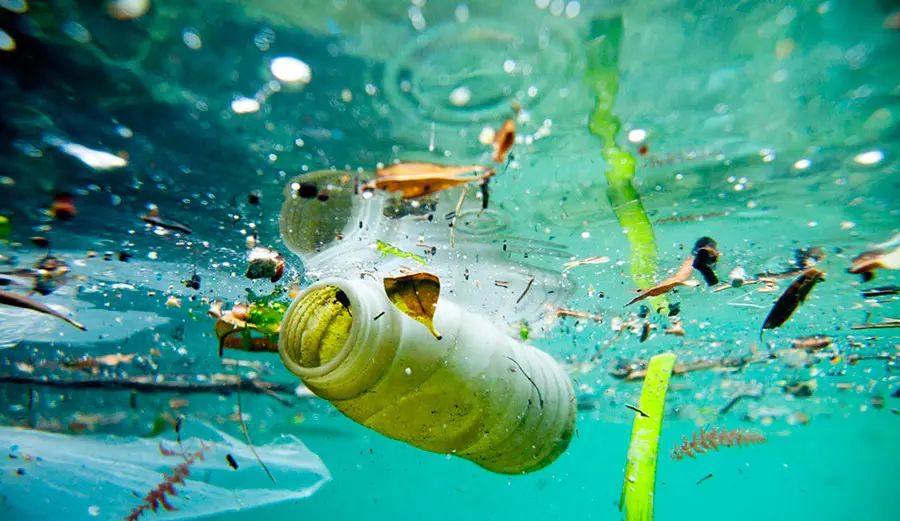
Plastic has become one of the biggest environmental problems facing our planet in the modern era. Due to excessive use of plastic in all fields, from packaging to daily products, there has been a massive accumulation of this material, which takes hundreds of years to decompose. This makes plastic recycling one of the primary solutions to reduce the impact of these harmful materials on the environment. Concerns are increasing about the accumulation of plastic waste in oceans and landfills, which significantly affects wildlife and ecosystems. In this article, we will discuss how plastic recycling can be the ideal solution to reduce pollution and the environmental effects caused by it, as well as the economic benefits of this sustainable solution.

The Importance of Plastic Recycling
Plastic is a lightweight, strong, and versatile material, making it the preferred choice in many industries. However, with the growing use of plastic, massive environmental issues have emerged due to the inability to dispose of it effectively. Plastic does not naturally decompose; it takes several hundred years to completely disappear, making recycling the best solution to deal with this problem.

Recycling plastic contributes to:

  1. Reducing Waste Volume: By recycling plastic, the amount of waste sent to landfills is reduced, which helps preserve the environment and decrease pollution.
  2. Reducing Use of Natural Resources: Plastic made from raw materials like oil and natural gas contributes to resource depletion. However, by using recycled plastic, the need for extracting these raw materials is reduced, thus helping protect the environment and reduce the impact of plastic production.
  3. Reducing Emissions: The production of new plastic requires large amounts of energy, contributing to the emission of greenhouse gases. Recycling plastic significantly reduces these emissions.

The Plastic Recycling Process
Plastic recycling involves several sequential steps to ensure that the consumed plastic is returned to the economic cycle in a beneficial way. These steps include:

  1. Collecting Plastic Materials: Plastic materials are collected from homes, businesses, and schools. These materials may vary from plastic bottles, containers, bags, to bottle caps.
  2. Sorting Plastic: After collecting plastic materials, they are sorted according to different types of plastic. There are various types of plastic (such as PET, PVC, and HDPE) which require different processing methods.
  3. Cleaning Plastic: After sorting, plastic materials must be cleaned of any contaminants or residues such as food or chemicals to ensure a clean material suitable for recycling.
  4. Shredding Plastic: Plastic materials are shredded into small pieces to facilitate processing and remanufacturing.
  5. Re-manufacturing Plastic: After processing, plastic is converted into new, usable materials. These materials can be used to manufacture new products such as plastic furniture, car parts, or even clothing.

The Benefits of Plastic Recycling
Plastic recycling offers numerous environmental and economic benefits, including:

  1. Reducing Environmental Pollution: Plastic is one of the biggest environmental pollutants globally, negatively affecting oceans, soil, and living organisms. Recycling plastic reduces waste accumulation in nature, helping to reduce pollution.
  2. Energy Savings: The recycling of plastic consumes much less energy compared to producing new plastic from raw materials. According to reports, recycling plastic can save up to 66% of the energy required to manufacture plastic from scratch.
  3. Protecting Wildlife: Plastic does not decompose easily in nature and can harm marine and terrestrial animals, as many animals ingest it thinking it’s food. Recycling plastic reduces these risks and protects wildlife.
  4. Saving Natural Resources: By recycling plastic, dependency on natural resources like oil is reduced, which helps preserve these resources for future generations.

Challenges Facing Plastic Recycling
Despite the many benefits of plastic recycling, several challenges face this process, including:

  1. Low Public Awareness: In many countries, people are still unaware of the importance of recycling plastic and how to properly separate recyclable materials from other waste.
  2. Economic Issues with Plastic: While recycling plastic may appear to be more environmentally friendly, it may be less profitable in some cases than producing new plastic, especially if the recycling cost is high.
  3. Plastic Quality: Not all types of plastic are recyclable, and some may be heavily contaminated, making recycling an unviable process.

How to Improve the Plastic Recycling Process

  1. Enhancing Public Awareness: Governments and NGOs should launch awareness campaigns to increase public understanding of the importance of separating and recycling plastic. This can be achieved through educational programs in schools and communities.
  2. Improving Recycling Infrastructure: It is essential to improve the infrastructure for collecting, sorting, and recycling plastic worldwide. More facilities specialized in plastic recycling should be established.
  3. Encouraging Innovation: Technological innovations that help improve plastic recycling processes and make them more efficient should be supported. These innovations include advanced robots that can sort plastic more accurately.
  4. Implementing Government Policies: Governments need to implement policies that encourage plastic recycling, such as imposing taxes on non-recyclable plastic or providing financial incentives for companies that use recycled plastic.

Conclusion
Plastic recycling is a critical step toward achieving a healthy and sustainable environment. By adopting this practice, we can reduce environmental pollution, save natural resources, and cut greenhouse gas emissions. As awareness grows and recycling technologies improve, the global community can tackle the plastic problem effectively and successfully, contributing to a healthy environment for future generations.

Organic Waste Recycling: Turning Waste into Useful Compost

Introduction In a world suffering from pollution and growing waste problems, finding effective and innovative solutions has become an urgent necessity. Among these solutions, organic waste recycling stands out as a key option that significantly contributes to environmental protection and sustainability. Instead of organic waste such as food scraps turning into piles of refuse that harm nature, it can be transformed into beneficial compost that enhances soil fertility and reduces the use of chemical fertilizers. In this article, we will explore the importance of organic waste recycling, its environmental and economic benefits, and how to apply this process effectively.

What are Organic Materials? Organic materials come from plant or animal sources and can be broken down by microorganisms. These materials include food scraps, vegetable and fruit leftovers, eggshells, tree leaves, and garden waste. Since these materials naturally decompose, they can be used to create high-value organic compost.

Organic Waste Recycling Process Organic waste recycling, also known as composting, is the process of converting these materials into compost used in agriculture to improve soil quality and increase fertility. This process involves several stages:

  1. Collecting Organic Materials: Initially, organic waste is gathered from homes, schools, restaurants, and other facilities. The materials should be free from non-degradable items such as plastic or metals.
  2. Sorting the Materials: The organic materials are sorted to ensure they are not contaminated with non-degradable components. This involves separating food scraps from non-organic materials.
  3. Converting the Materials into Compost: After sorting, the organic materials are placed in piles or special containers where decomposition begins under the influence of microorganisms. This process can be accelerated using modern techniques such as mechanical composting devices or rotating composters.
  4. Final Conversion: After several weeks or months, the organic materials are transformed into nutrient-rich organic compost that can be used in farming. The compost can improve soil fertility and enhance its ability to retain water.

Benefits of Organic Waste Recycling Organic waste recycling is not just a method for waste disposal but an effective way to achieve several environmental and economic benefits, including:

  1. Reducing Waste Volume: By recycling organic materials, the amount of waste sent to landfills is reduced. This helps alleviate pressure on landfills and reduces pollution caused by waste accumulation.
  2. Improving Soil Quality: The organic compost produced from organic materials enhances soil fertility. The compost contains essential nutrients for plants such as nitrogen, phosphorus, and potassium, promoting plant growth and increasing crop production.
  3. Reducing Greenhouse Gas Emissions: When organic materials decompose in landfills, they release methane gas, a potent greenhouse gas that contributes to global warming. By recycling these materials, these emissions can be reduced, contributing to the fight against climate change.
  4. Producing Natural and Healthy Fertilizer: Organic compost does not contain the toxic chemicals found in synthetic fertilizers. Therefore, using organic compost helps improve crop quality and reduces chemical pollution in the environment.

Applications of Organic Waste Recycling in Daily Life Recycling organic materials is not a difficult or complicated process. Anyone can contribute to this process with a few simple steps in daily life. Here are some ideas for applying organic waste recycling in your home or workplace:

  1. Using Home Composting Bins: You can designate a container in your home garden or even in your kitchen to collect food scraps and organic waste. This helps convert organic waste into compost that can be used for plants.
  2. Recycling Garden Waste: People with large gardens can collect tree leaves, grass, and small branches to recycle them into compost. This reduces the need to purchase ready-made compost and improves soil fertility.
  3. Working with Specialized Companies: If you run a restaurant or a facility that handles large amounts of organic waste, you can collaborate with specialized companies that collect and recycle these materials. These companies offer services to collect organic waste and convert it into compost.
  4. Using Modern Devices: There are modern devices that turn food scraps into organic compost at home, speeding up the composting process and helping to dispose of organic waste quickly and effectively.

Challenges in Organic Waste Recycling Despite the many benefits of organic waste recycling, there are some challenges that may hinder the process, including:

  1. Low Public Awareness: Many people are still unaware of the importance of organic waste recycling and how to apply it in their daily lives. This awareness requires awareness campaigns and encouragement from governments and environmental organizations.
  2. Lack of Infrastructure: In some areas, the infrastructure needed for collecting and recycling organic waste is lacking. This process requires dedicated places for collecting organic waste and developing compost processing facilities.
  3. Time and Resources Required: Converting organic materials into compost may require a long time and additional resources, especially in areas where modern technologies to accelerate this process are unavailable.

Conclusion Organic waste recycling is not just a means of waste disposal, but an important step towards achieving environmental sustainability. By applying this process, we can reduce waste volume, improve soil quality, and reduce greenhouse gas emissions. Since organic materials decompose naturally, recycling them is one of the most effective solutions for achieving a healthy and safe environment. By adopting these practices in our daily lives, we can be part of the environmental solution and contribute to creating a more sustainable planet for future generations.

Clothing Recycling: The Path to a More Sustainable Environment

Introduction The clothing industry is one of the largest contributors to environmental pollution. In a world characterized by fast and increasing consumption rates, old clothes often end up in landfills rather than being recycled or repurposed. In recent years, environmental awareness has increased regarding the importance of recycling clothes, not only to reduce waste but also to protect the planet. In this article, we will explore the importance of clothing recycling, how it contributes to environmental sustainability, and the best ways to achieve this in our daily lives.

Why Should We Care About Clothing Recycling? Clothing recycling is not just an economic process, but a vital step towards protecting the environment. There are several reasons why clothing recycling is essential:

  1. Reducing Waste: In today’s world, over 80% of discarded clothing ends up in landfills. Clothing makes up a significant portion of solid waste, and when left in landfills, it decomposes slowly, emitting greenhouse gases such as methane. Recycling clothing can reduce this substantial environmental impact.
  2. Reducing Raw Material Consumption: The clothing industry requires a massive amount of raw materials such as cotton, wool, and polyester. Instead of overusing new resources, old clothes can be reused to produce new products, thus reducing pressure on these resources.
  3. Reducing Energy and Water Consumption: Producing clothes requires a lot of energy and water. For example, producing a cotton shirt requires about 2,700 liters of water. By recycling clothes, we can reduce the need for these resources and mitigate their environmental impacts.
  4. Reducing Chemical Pollution: Clothing manufacturing industries use harmful chemicals such as dyes and bleaches. These chemicals can pollute the environment and water sources. Recycling clothing helps reduce their usage.

How to Recycle Clothes? Clothing recycling can be done in several ways, each with its environmental and economic benefits:

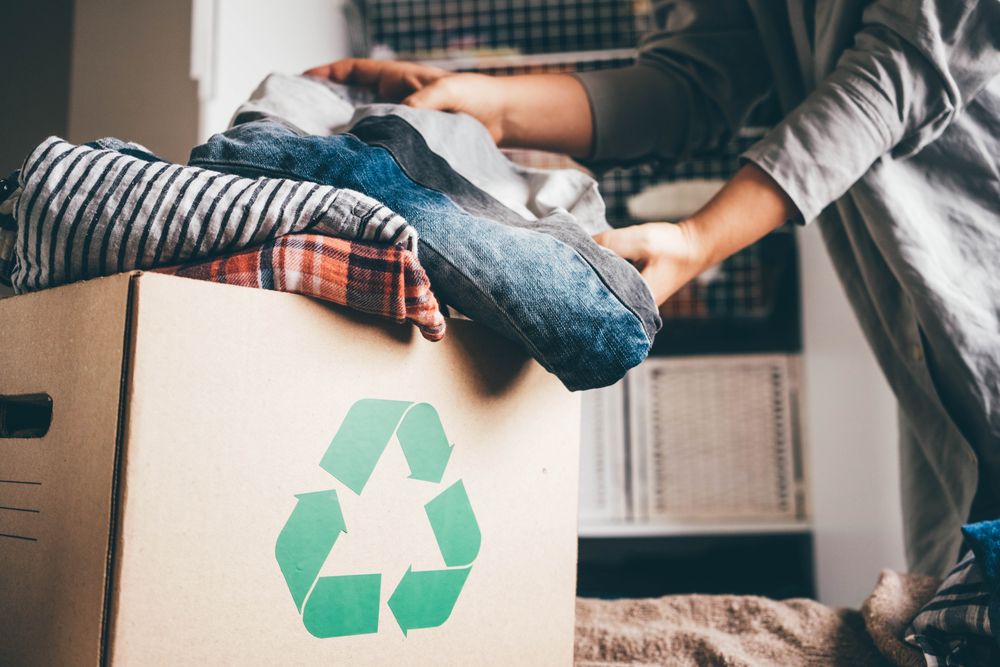
  1. Redistribution and Donation: One of the easiest ways to recycle clothes is by donating them to charity organizations. Clothes that are no longer used at home can find a new life with someone else. Many local charities offer this service, helping distribute clothes to those in need.
  2. Remanufacturing: Clothes that are no longer fit for use can be processed to become raw material for producing new clothing or other products. Some companies focus on reusing old fabrics to create new garments or convert them into products like bags, blankets, or even sportswear.
  3. Recycling in Other Industries: Clothes that cannot be reused as new garments can be repurposed for other industries. For example, old fabrics can be turned into thermal insulation or building materials. This approach reduces the need for raw materials in these industries.
  4. Turning into Art or Craft: Old clothes can be used in creative or craft projects, such as making rugs from old shirts or turning fabrics into artistic works. This not only reduces waste but also encourages creativity in using consumed materials.
  5. Processing into Synthetic Fibers: Some old fabrics can be processed and turned into synthetic fibers that can be used in the production of new clothes or other applications such as bedding or antibacterial surfaces.

Benefits of Clothing Recycling Clothing recycling offers numerous benefits, not only on an environmental level but also on a social and economic level:

  1. Reducing Environmental Pollution: By reducing waste and cutting down on raw material consumption, clothing recycling helps reduce air and water pollution. It also helps lower greenhouse gas emissions associated with traditional clothing production.
  2. Achieving a Circular Economy: Clothing recycling is part of the circular economy concept, where waste is transformed into raw materials that can be used again, reducing the need for new materials and promoting the sustainable use of resources.
  3. Supporting Local Communities: When clothes are donated or redistributed, they can support local communities and meet the needs of those in need. There are also small businesses that may rely on recycled clothing to produce new products, which supports the local economy.
  4. Reducing Energy and Water Consumption: Producing new clothing consumes a lot of energy and water. By recycling clothes, these consumptions are significantly reduced, helping alleviate pressure on natural resources.
  5. Creating New Job Opportunities: The clothing recycling industry creates many opportunities in areas such as collecting, sorting, processing, and converting old clothing into new products. This contributes to job creation in various sectors.

Challenges Facing Clothing Recycling Despite the many environmental and economic benefits of clothing recycling, some challenges need to be addressed:

  1. Limited Awareness: Many people are still unaware of the importance of clothing recycling and its environmental impact. Public awareness needs to be raised through awareness campaigns and educational programs.
  2. Contamination of Clothing: In some cases, clothing donations may be contaminated with non-recyclable materials such as plastics, which complicates the recycling process.
  3. Lack of Infrastructure: In many areas, the infrastructure needed for collecting and recycling clothing is lacking. More specialized recycling centers need to be established to make the recycling process efficient.

Conclusion Clothing recycling is one of the best ways to reduce the environmental impact of the fashion industry and to conserve natural resources. By redistributing clothes, repurposing them for new products, or recycling them into synthetic fibers, we can contribute to environmental sustainability while reducing waste. By adopting clothing recycling practices in our daily lives, we can make a difference in creating a greener and more sustainable planet.

Paper Recycling: The Path Toward a Cleaner Environment

Introduction
In our modern world, paper waste has become one of the largest environmental pollutants. While paper is one of the most recyclable materials, a significant amount of it ends up in landfills without being effectively utilized. Globally, millions of trees are cut down annually to meet the demand for paper, which poses a significant threat to natural resources. Therefore, paper recycling has become one of the key solutions to reduce this issue and achieve environmental sustainability.
In this article, we will discuss the importance of paper recycling, how to implement it correctly, the environmental and economic benefits of this practice, and the challenges faced in the paper recycling process today.

Why Should Paper Be Recycled?
Recycling paper is the process of converting used paper into new materials rather than discarding it in landfills. Here are several reasons why this process is important:

  1. Protecting Forests: One of the primary reasons for recycling paper is to protect forests. The paper industry consumes large amounts of wood, contributing to the destruction of natural forests. Recycling paper helps reduce the need for wood extraction, thus preserving forests and increasing green spaces.
  2. Reducing Pollution: The traditional paper production process results in significant carbon emissions and water pollution due to the chemicals used in paper manufacturing. By recycling paper, these emissions are greatly reduced.
  3. Energy Conservation: Producing paper from wood requires a large amount of energy, whereas recycling paper uses about 40% less energy compared to making paper from raw wood. This means reducing energy consumption and mitigating climate change impacts.
  4. Reducing Waste: Paper makes up a large portion of the waste sent to landfills. Recycling paper helps reduce the amount of waste, easing the pressure on landfills.

How to Recycle Paper
Recycling paper is a simple process that involves several steps that can be easily and effectively followed. Here’s how you can do it:

  1. Collect Used Paper: The first step is to gather used paper. This can include newspapers, magazines, brochures, cardboard, or even office paper. It is important to ensure that the paper is sorted correctly, removing non-paper materials like plastic or metal.
  2. Sort the Paper: After collecting the paper, it should be sorted by type. There may be different kinds of paper (such as cardboard, white paper, and corrugated paper), each requiring slightly different recycling processes. For example, white paper is easier to recycle compared to printed paper or paper with additional materials.
  3. Convert Paper into Pulp: In this stage, the paper is shredded and turned into a sticky substance called “paper pulp” by adding water. This material forms the basis of the paper recycling process.
  4. Re-manufacture Paper: After converting the paper into pulp, it is used to manufacture new paper products. The pulp is shaped into flat sheets, dried, and then used to make new paper products.
  5. Use Recycled Paper: Recycled paper can be used in many products such as boxes, packaging, brochures, and even the paper we write on. It can also be used to make toilet paper, tissues, and writing materials.

Benefits of Paper Recycling
The benefits of paper recycling extend beyond the environment, including economic and social advantages:

  1. Conserving Resources: By recycling paper, we no longer need to cut down trees to meet paper needs. Additionally, significant amounts of water and energy are saved, helping to preserve natural resources.
  2. Reducing Pollution: Reducing the use of harmful chemicals in paper production means less air and water pollution, which improves environmental quality and human health.
  3. Creating Jobs: Paper recycling creates job opportunities in factories that re-manufacture paper, as well as in waste collection and sorting. This contributes to the local economy.
  4. Reducing Landfill Pressure: By reducing the amount of paper sent to landfills, recycling helps alleviate the strain on landfills, thus decreasing the space needed for waste disposal.

Challenges Faced by Paper Recycling
Despite its many benefits, paper recycling faces several challenges:

  1. Lack of Environmental Awareness: Despite efforts made, many people still lack environmental awareness about the importance of paper recycling. Some may not know how to sort paper correctly or may not understand the environmental benefits of recycling.
  2. Contamination by Other Materials: Sometimes, paper may contain non-recyclable materials such as plastic or metal. This complicates the recycling process and increases costs.
  3. High Costs: Collecting, sorting, and recycling paper requires investment in equipment and infrastructure, which can be expensive in some countries or regions.
  4. Reducing Paper Use: In some cases, there is a trend toward reducing paper use in favor of modern technologies like digital documents. This may reduce the amount of paper available for recycling.

The Future of Paper Recycling
With increasing environmental awareness in recent years, many businesses and consumers are adopting paper recycling practices more effectively. There are also technological advancements that help make the recycling process more efficient. Through these collective efforts, the environmental impact of paper can be significantly reduced, contributing to a cleaner and healthier environment.

Conclusion
Paper recycling is a simple but effective process that helps conserve natural resources and reduce environmental pollution. It offers not only environmental benefits but also significant economic and social advantages. By raising awareness and recycling paper correctly, we can contribute to protecting the environment and ensuring a more sustainable future for generations to come.